What is Patellar Dislocation?
Patellar dislocation happens when the kneecap, or patella, moves out of its normal place. Usually, the kneecap sits in a groove at the end of the thigh bone. However, a sudden twist or direct hit can push it out. This injury is common in sports and active children or teens. Patellar dislocation surgery may be needed if the kneecap keeps slipping out.
Symptoms and Causes of Kneecap Instability
When the kneecap dislocates, you may notice several signs. For example, your knee may look out of shape. You might feel pain or swelling. Sometimes, the knee feels weak or wobbly. In many cases, the kneecap slides back on its own. But, it can also get stuck out of place.
There are several causes of kneecap instability. For instance, a direct blow to the knee can push the patella out. Weak thigh muscles or loose ligaments can also make it easier for the kneecap to slip. Some people are born with a shallow groove in their thigh bone, which increases the risk.
Diagnosis of Patellar Dislocation
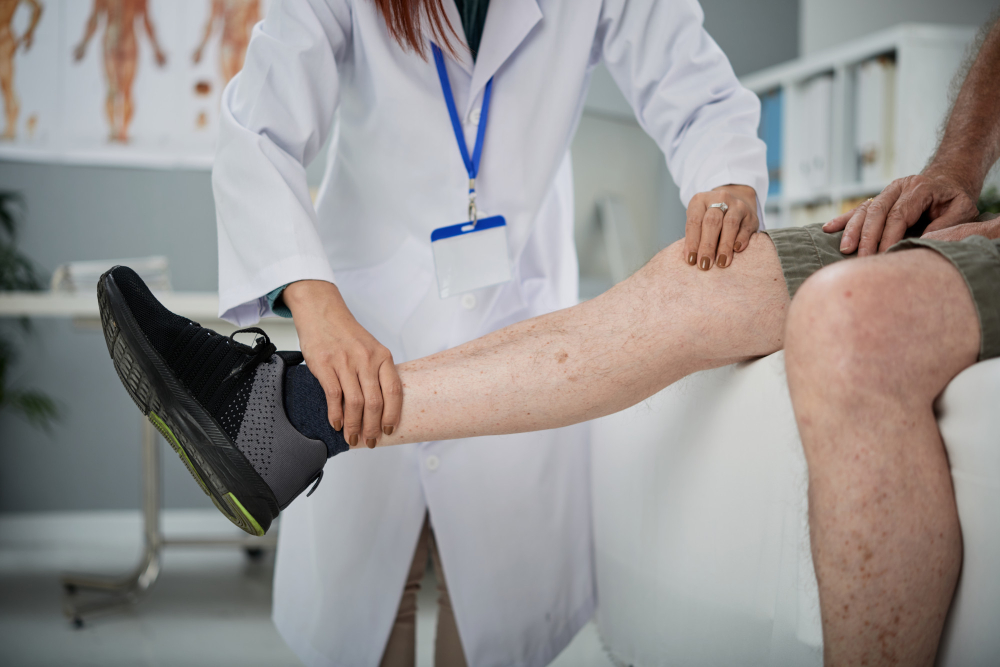
Doctors use a few steps to diagnose patellar dislocation. First, they ask about your injury and symptoms. Then, they check your knee during a physical exam. Often, they will order X-rays to see the bones. Sometimes, an MRI is needed to look at soft tissues, like ligaments or cartilage. Early diagnosis helps guide the best kneecap instability treatment.
Surgical Options for Patellar Dislocation
If your kneecap keeps dislocating, surgery may be needed. Patellar dislocation surgery helps keep the kneecap in place. There are different types of surgery. Your doctor will choose the best one for you. Common surgical options include:
Each surgery aims to prevent future dislocations and improve knee stability. According to orthopedic journals, surgery is often successful in reducing repeat injuries.
Preventing Recurrent Kneecap Instability After Surgery
After patellar dislocation surgery, it is important to protect your knee. This helps prevent the kneecap from slipping out again. Here are some tips to lower the risk of recurrence:
With proper care, most people return to normal activities. However, always listen to your body and avoid pushing too hard too soon.
Recovery and Rehabilitation Tips
Recovery after orthopedic knee surgery takes time. But, following a few simple steps can help you heal faster. For example, rest your knee as much as possible in the first few days. Then, start gentle exercises as recommended by your physical therapist. Other helpful tips include:
Most people recover well with a good rehab plan. According to the CDC, early movement and therapy improve long-term results.
When to Consult an Orthopedic Surgeon
If your kneecap keeps slipping out or you have ongoing pain, it is time to see an orthopedic surgeon. Early treatment can prevent further damage. You should also seek help if you notice:
Many orthopedic surgeons near you can offer expert advice. They can help you decide if patellar dislocation surgery is right for you.
In summary, patellar dislocation surgery can help prevent recurrent kneecap instability. With the right treatment and care, most people regain knee strength and return to daily life. Consult an orthopedic specialist at Sunshine Hospital for personalized advice on patellar dislocation surgery and knee stability.