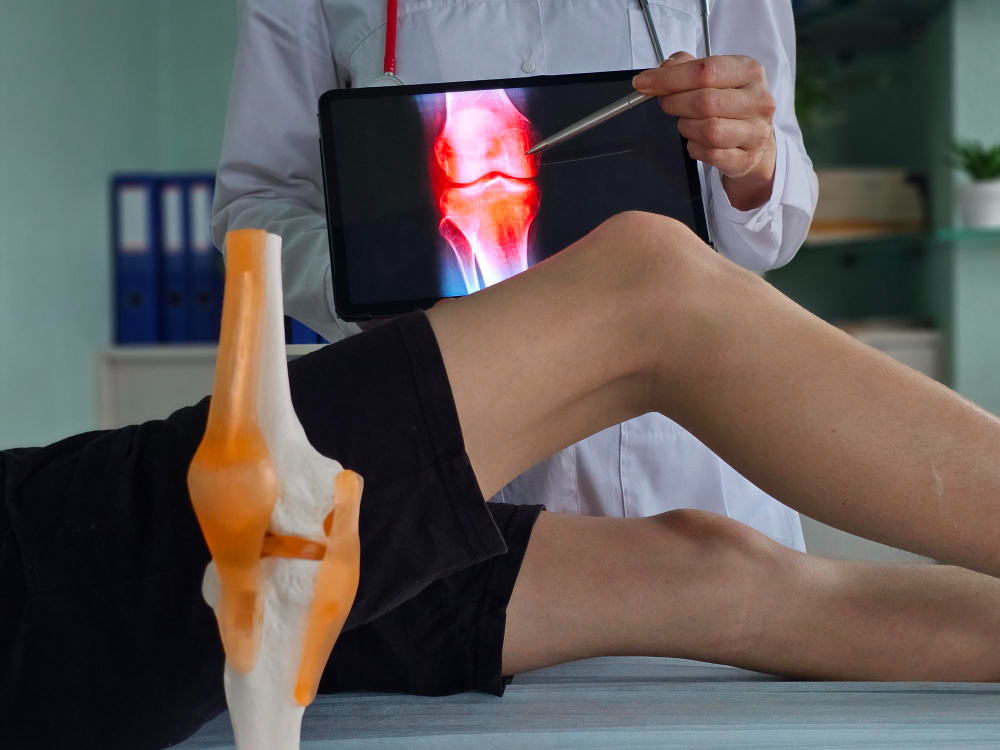
What is the Meniscus and Why is it Important?
The meniscus is a C-shaped piece of cartilage in your knee. It acts like a cushion between your thigh bone and shin bone. Because it absorbs shock, it helps protect your knee joint. In addition, the meniscus helps keep your knee stable. Without it, your knee may wear out faster. So, keeping the meniscus healthy is important for long-term knee function.
Causes and Symptoms of Meniscus Tears
Meniscus tears are common knee injuries. Often, they happen during sports or sudden twisting movements. However, they can also occur from simple activities, especially as we age. Some common causes include:
Symptoms of a meniscus tear may include:
Because these symptoms can vary, it is important to see a doctor if you notice them.
Diagnosis: How Meniscus Tears are Identified
Doctors use several steps to diagnose a meniscus tear. First, they ask about your symptoms and how the injury happened. Next, they examine your knee for tenderness, swelling, or movement problems. Often, doctors use imaging tests to confirm the diagnosis. These may include:
With these tools, doctors can decide the best meniscus tear treatment options for you.
Meniscus Repair Surgery: Procedure Overview
Meniscus repair surgery aims to fix the torn cartilage and preserve the knee. During the procedure, surgeons use small tools and a camera, called an arthroscope, to see inside the knee. They stitch the torn edges of the meniscus together. Sometimes, they use special devices to hold the tissue in place. Because the surgery is minimally invasive, recovery is often faster than with open surgery. However, not all tears can be repaired. In some cases, a small part of the meniscus may need to be removed instead.
When Can the Knee Be Preserved? (Indications and Criteria)
Doctors try to preserve the knee whenever possible. However, certain factors affect whether meniscus repair is possible. Your knee can often be preserved if:
On the other hand, if the tear is in an area with poor blood flow, or if the tissue is badly worn, repair may not work. In these cases, doctors may remove the damaged part. Still, preserving as much meniscus as possible helps protect your knee in the long run.
Recovery and Rehabilitation After Meniscus Repair
Recovery after meniscus repair takes time and care. Right after surgery, you may need crutches to avoid putting weight on your knee. Physical therapy is important for regaining strength and movement. Your doctor will give you exercises to help your knee heal. Usually, you can return to normal activities in a few months. However, following your doctor’s advice is key for the best results. Because every person heals differently, your recovery plan may vary.
Prevention and Lifestyle Tips for Knee Health
Although injuries can happen, you can take steps to protect your knees. Here are some tips:
In addition, listen to your body and rest if you feel pain. Because prevention is better than cure, these habits can help keep your knees strong.
Experiencing knee pain or suspecting a meniscus tear? Consult the orthopedic specialists at Sunshine Hospital for a detailed evaluation and personalized guidance on meniscus repair, knee preservation, and safe recovery.