Introduction
Revision knee replacement is a second surgery done when a previous knee replacement fails or causes problems. Sometimes, the first knee replacement may not last as long as expected. In these cases, a revision knee replacement may be needed to restore movement and reduce pain. Many people wonder when a second surgery is required and what signs to look for. This blog will explain the reasons, symptoms, and what to expect if you need a revision knee replacement.
What Is Revision Knee Replacement?
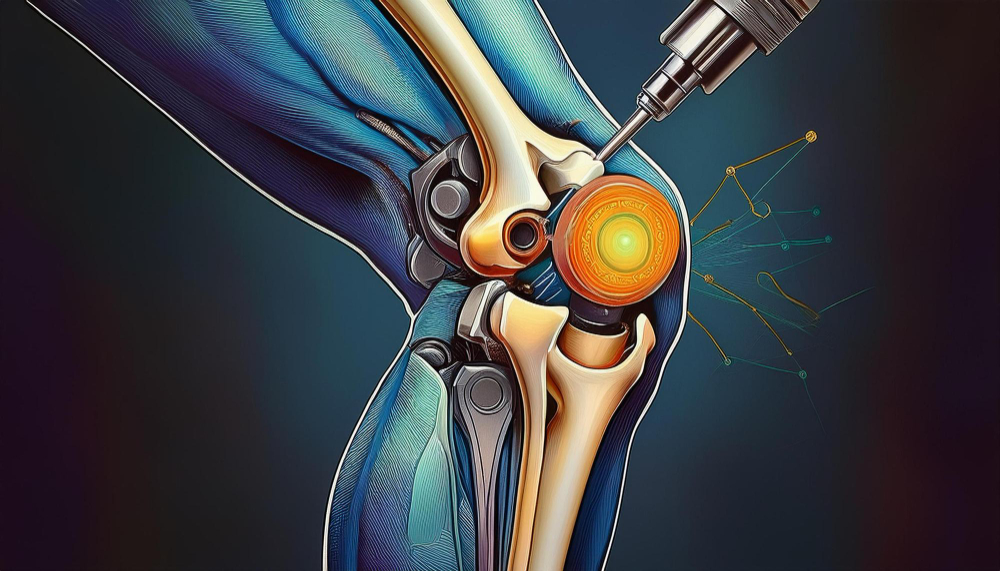
Revision knee replacement is a procedure where doctors remove and replace a worn-out or damaged artificial knee joint. Unlike the first knee replacement, this surgery is more complex. Often, doctors need to fix or replace parts of the knee implant. Sometimes, they may also repair bone or tissue around the knee. Revision surgery helps improve movement and reduce pain when the first implant no longer works well.
Common Reasons for a Second Knee Replacement Surgery
There are several reasons why someone might need a second knee replacement. For example, the artificial joint may wear out over time. In other cases, problems like infection or loosening of the implant can occur. Here are some common reasons:
Additionally, some people may need revision surgery if the first implant was not placed correctly. According to the American Academy of Orthopaedic Surgeons, these issues are the most common causes for a second knee surgery.
Signs and Symptoms Indicating Revision May Be Needed
It is important to know the signs that may mean you need a revision knee replacement. Early detection can help prevent further damage. Watch for these symptoms:
If you notice any of these signs, it is important to contact your doctor right away. Sometimes, quick action can prevent more serious problems.
Diagnosis: How Doctors Decide If Revision Surgery Is Required
Doctors use several steps to decide if you need revision knee replacement. First, they will ask about your symptoms and medical history. Next, they will examine your knee for pain, swelling, or movement problems. Often, doctors use tests such as:
After reviewing the results, your doctor will discuss the best treatment options with you. Sometimes, other treatments may be tried before surgery is recommended.
Treatment Options and What to Expect During Revision Surgery
When revision knee replacement is needed, your doctor will explain the procedure. Usually, the surgery takes longer than the first knee replacement. During the operation, the surgeon removes the old implant and any damaged tissue. Then, a new implant is placed. Sometimes, extra steps are needed to repair bone or ligaments.
After surgery, you may need to stay in the hospital for a few days. Physical therapy often starts soon after to help you regain strength and movement. Most people can return home within a week, but recovery may take several months.
Recovery and Lifestyle Tips After Revision Knee Replacement
Recovery after revision knee replacement can take time. However, following your doctor’s advice can help you heal faster. Here are some tips:
Additionally, avoid high-impact activities until your doctor says it is safe. With proper care, most people can return to daily activities over time.
Prevention: How to Reduce the Risk of Needing a Second Surgery
While not all revision surgeries can be avoided, there are steps you can take to lower your risk. For example, keeping a healthy weight reduces stress on your knee. Also, follow your doctor’s advice after your first knee replacement. Here are more tips:
By taking these steps, you can help your knee implant last longer and reduce the chance of needing a second surgery.
Conclusion
Revision knee replacement is sometimes needed when the first knee implant fails or causes problems. Knowing the signs and seeking help early can make a big difference. If you have concerns about your knee replacement, consult an orthopedic specialist at Sunshine hospital for personalized advice on revision knee replacement.