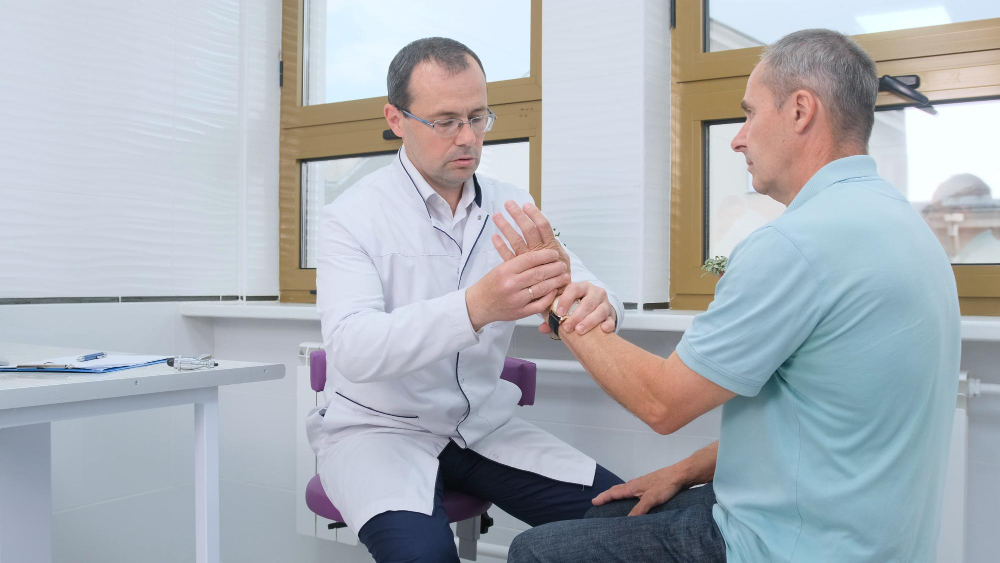
What is Rheumatoid Arthritis?
Rheumatoid arthritis is a long-term disease that causes pain and swelling in the joints. It happens when the body’s immune system attacks healthy joint tissue by mistake. Because of this, joints can become stiff, swollen, and sometimes even lose their shape. Early care is important, as rheumatoid arthritis can affect daily life. Many people wonder how this condition starts and what they can do to feel better.
Common Symptoms of Rheumatoid Arthritis
Rheumatoid arthritis often starts slowly. However, symptoms can get worse over time. Knowing the signs can help you seek help early. Common symptoms include:
Sometimes, symptoms may come and go. But, if you notice these signs, talk to your doctor soon.
Causes and Risk Factors
Doctors do not know the exact cause of rheumatoid arthritis. Still, several factors may increase your risk. For example, your genes can play a role. In addition, certain triggers may start the disease in people who are already at risk. Here are some common risk factors:
Because these factors can add up, knowing your risks helps you stay alert for early signs.
How Rheumatoid Arthritis is Diagnosed
Doctors use several steps to diagnose rheumatoid arthritis. First, they ask about your symptoms and health history. Next, they check your joints for swelling, redness, or warmth. Blood tests can help find signs of inflammation or certain antibodies. Sometimes, doctors use X-rays or ultrasound to look at joint damage. Early diagnosis is key, as it helps prevent joint problems later on.
Treatment Options
There is no cure for rheumatoid arthritis, but treatment can help control symptoms. With the right plan, many people lead active lives. Common treatments include:
Because each person is different, your doctor will suggest a plan that fits your needs.
Lifestyle Tips for Managing Rheumatoid Arthritis
Besides medicine, healthy habits can make a big difference. For example, staying active helps keep joints moving. Here are some tips for daily life:
Because small changes add up, these steps can help you feel better every day.
Prevention and Early Detection
While you cannot always prevent rheumatoid arthritis, some steps may lower your risk. For instance, not smoking and keeping a healthy weight are helpful. Early detection is also important. If you notice joint pain or swelling that lasts more than a few weeks, see a doctor. Early treatment can slow the disease and protect your joints.
Conclusion
Rheumatoid arthritis can affect your daily life, but early care and healthy habits help. If you have symptoms or concerns, consult a specialist at Sunshine hospital for personalized guidance on rheumatoid arthritis.