Introduction
PCL injuries affect the posterior cruciate ligament in your knee. This ligament helps keep your knee stable. When it gets hurt, you may feel pain or weakness. PCL injuries are less common than other knee injuries, but they can still cause problems. Early care is important for a good recovery. According to the American Academy of Orthopaedic Surgeons, PCL injuries often happen during sports or accidents. Understanding PCL injuries helps you spot symptoms and seek the right treatment.
Symptoms of PCL Injuries
PCL injury symptoms can be mild or severe. Sometimes, you may not notice them right away. However, knowing what to look for can help you get help sooner. Common symptoms include:
For example, you might feel your knee shift when walking. If you notice these signs, it is wise to rest and seek advice.
Causes and Risk Factors
PCL injuries often happen during sudden accidents. For instance, a direct blow to the front of the knee can cause a tear. Sports like football or soccer increase your risk. In addition, car accidents are a common cause. Other risk factors include:
Because these injuries can happen quickly, it is important to stay alert during risky activities.
Diagnosis Methods
Doctors use several ways to diagnose PCL injuries. First, they ask about your symptoms and how the injury happened. Next, they check your knee for swelling and movement. To confirm the injury, doctors may use:
Because early diagnosis helps with recovery, do not delay seeing a doctor. According to the CDC, imaging tests are safe and help guide treatment.
Treatment Options
PCL injury treatment depends on how bad the injury is. Many mild injuries heal without surgery. However, severe tears may need more care. Treatment options include:
Non-Surgical Treatments
Most people recover well with these steps. But, if the ligament is badly torn, surgery may be needed.
Surgical Treatments
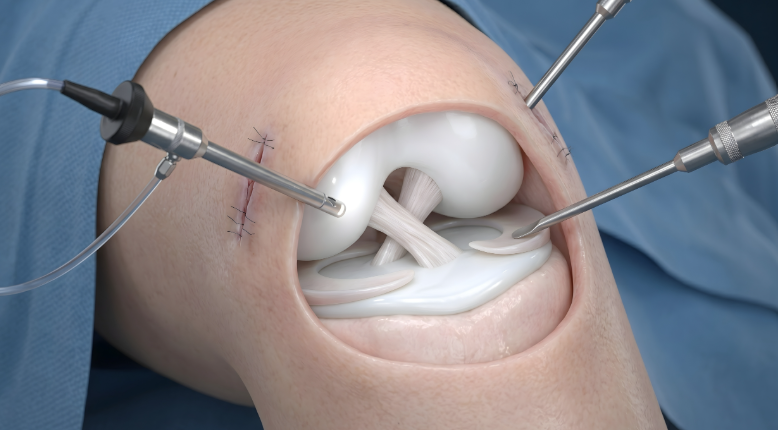
Posterior cruciate ligament tear treatment should be guided by an orthopedic specialist. They will help you choose the best option for your injury.
Prevention Tips and Lifestyle Guidance
While not all PCL injuries can be prevented, you can lower your risk. For example, you can:
Additionally, keeping a healthy weight reduces stress on your knees. If you have had a knee injury before, follow your doctor’s advice to avoid future problems.
When to See a Doctor
It is important to see a doctor if you have knee pain after an injury. Also, if your knee feels unstable or swollen, seek help. Early treatment can prevent long-term problems. If you cannot walk or move your knee, visit a clinic right away. Remember, only a doctor can diagnose and treat PCL injuries properly.
In summary, PCL injuries can affect your daily life. However, with the right care, most people recover well. Consult an orthopedic specialist at Sunshine hospital for personalized advice on PCL injuries.